Unlocking the Benefits: The Power of Pharmacist Consultation
Are you looking to optimize your healthcare experience and improve your overall well-being? Look no further than pharmacist consultations! In this article, we delve into the transformative power of pharmacist consultations in the realm of healthcare. Discover how these invaluable interactions with pharmacists go beyond just dispensing medications and play a crucial role in enhancing patient care. From maximizing your understanding of medications to crafting personalized treatment plans tailored to your unique needs, pharmacist consultations are a game-changer in optimizing health outcomes. Join us as we explore the myriad benefits of pharmacist consultations and how they can empower you to take charge of your health journey like never before

The Importance of Pharmacist Consultation in Healthcare
Pharmacist consultation plays a crucial role in today's healthcare landscape, offering a myriad of benefits that often go unnoticed or underutilized. These consultations provide patients with the opportunity to receive personalized advice, guidance, and support related to their medication regimen. With their expertise in pharmacology and drug interactions, pharmacists serve as valuable resources in optimizing treatment outcomes and improving patient safety.
One of the key benefits of pharmacist consultation is medication management. Pharmacists can review a patient's complete medication list, including prescription drugs, over-the-counter medications, and supplements, to identify potential interactions or duplications that could compromise treatment effectiveness. By offering tailored recommendations and adjustments, pharmacists help patients better adhere to their medication regimens while minimizing the risk of adverse effects.
Furthermore, pharmacist consultation enhances patient education and empowerment. Pharmacists can explain the purpose of each medication, proper administration techniques, potential side effects to watch for, and strategies for mitigating them. This knowledge equips patients with the information they need to make informed decisions about their health and actively participate in their treatment plans.
In addition to promoting medication safety and adherence, pharmacist consultation contributes to improved health outcomes. By collaborating with other healthcare providers, pharmacists can identify opportunities for therapy optimization, address medication-related problems, and provide comprehensive care that addresses the holistic needs of the patient. This multidisciplinary approach fosters a more integrated and effective healthcare experience, ultimately leading to better treatment outcomes and patient satisfaction.
In conclusion, the importance of pharmacist consultation in healthcare cannot be overstated. By leveraging their expertise and accessibility, pharmacists play a vital role in promoting medication safety, optimizing treatment outcomes, and empowering patients to take control of their health. Incorporating pharmacist consultations into routine healthcare practices can result in a more patient-centered approach that benefits individuals, healthcare providers, and the healthcare system as a whole
One of the key benefits of pharmacist consultation is medication management. Pharmacists can review a patient's complete medication list, including prescription drugs, over-the-counter medications, and supplements, to identify potential interactions or duplications that could compromise treatment effectiveness. By offering tailored recommendations and adjustments, pharmacists help patients better adhere to their medication regimens while minimizing the risk of adverse effects.
Furthermore, pharmacist consultation enhances patient education and empowerment. Pharmacists can explain the purpose of each medication, proper administration techniques, potential side effects to watch for, and strategies for mitigating them. This knowledge equips patients with the information they need to make informed decisions about their health and actively participate in their treatment plans.
In addition to promoting medication safety and adherence, pharmacist consultation contributes to improved health outcomes. By collaborating with other healthcare providers, pharmacists can identify opportunities for therapy optimization, address medication-related problems, and provide comprehensive care that addresses the holistic needs of the patient. This multidisciplinary approach fosters a more integrated and effective healthcare experience, ultimately leading to better treatment outcomes and patient satisfaction.
In conclusion, the importance of pharmacist consultation in healthcare cannot be overstated. By leveraging their expertise and accessibility, pharmacists play a vital role in promoting medication safety, optimizing treatment outcomes, and empowering patients to take control of their health. Incorporating pharmacist consultations into routine healthcare practices can result in a more patient-centered approach that benefits individuals, healthcare providers, and the healthcare system as a whole
How Pharmacist Consultations Enhance Patient Care
Pharmacist consultations play a vital role in enhancing patient care by providing valuable support and guidance beyond the traditional role of medication dispensing. These consultations offer patients the opportunity to engage with knowledgeable healthcare professionals who can address their concerns, offer insights into their medication therapy, and promote overall wellness.
One key benefit of pharmacist consultations is the personalized care and attention that patients receive. Pharmacists can take the time to thoroughly review a patient's medication regimen, including prescription medications, over-the-counter products, and supplements. By optimizing medication adherence and identifying any potential drug interactions or adverse effects, pharmacists help ensure that patients are receiving safe and effective treatment tailored to their individual needs.
Moreover, pharmacist consultations empower patients to take an active role in managing their health. Through education on proper medication use, lifestyle modifications, and preventive care measures, pharmacists can help patients make informed decisions about their health and well-being. This collaborative approach not only improves treatment outcomes but also fosters a sense of trust and confidence between patients and healthcare providers.
Additionally, pharmacist consultations can contribute to better health outcomes by addressing medication-related challenges such as side effects, dosing instructions, and treatment adherence. Pharmacists can offer practical strategies to help patients overcome barriers to medication compliance, leading to improved symptom management and disease control. By serving as accessible resources for medication information and support, pharmacists enhance patient understanding and self-efficacy in managing their health conditions.
In conclusion, pharmacist consultations are a valuable component of patient care that goes beyond dispensing medications. Through personalized attention, education, and support, pharmacists can empower patients to make informed decisions about their health, optimize medication therapy, and ultimately improve health outcomes. By unlocking the benefits of pharmacist consultations, patients can experience enhanced quality of care and take strides towards better health and well-being
One key benefit of pharmacist consultations is the personalized care and attention that patients receive. Pharmacists can take the time to thoroughly review a patient's medication regimen, including prescription medications, over-the-counter products, and supplements. By optimizing medication adherence and identifying any potential drug interactions or adverse effects, pharmacists help ensure that patients are receiving safe and effective treatment tailored to their individual needs.
Moreover, pharmacist consultations empower patients to take an active role in managing their health. Through education on proper medication use, lifestyle modifications, and preventive care measures, pharmacists can help patients make informed decisions about their health and well-being. This collaborative approach not only improves treatment outcomes but also fosters a sense of trust and confidence between patients and healthcare providers.
Additionally, pharmacist consultations can contribute to better health outcomes by addressing medication-related challenges such as side effects, dosing instructions, and treatment adherence. Pharmacists can offer practical strategies to help patients overcome barriers to medication compliance, leading to improved symptom management and disease control. By serving as accessible resources for medication information and support, pharmacists enhance patient understanding and self-efficacy in managing their health conditions.
In conclusion, pharmacist consultations are a valuable component of patient care that goes beyond dispensing medications. Through personalized attention, education, and support, pharmacists can empower patients to make informed decisions about their health, optimize medication therapy, and ultimately improve health outcomes. By unlocking the benefits of pharmacist consultations, patients can experience enhanced quality of care and take strides towards better health and well-being
Maximizing Medication Knowledge Through Pharmacist Consultation
Pharmacist consultation plays a pivotal role in maximizing medication knowledge and improving overall health outcomes. When patients engage in consultations with pharmacists, they gain access to a wealth of expertise and tailored advice that goes beyond merely dispensing medications.
One significant benefit of pharmacist consultation is the personalized approach to medication management. Pharmacists take the time to understand each patient's unique health needs, medical history, and lifestyle factors. By considering these individual variables, pharmacists can provide targeted recommendations to optimize medication efficacy and minimize potential side effects.
Furthermore, pharmacist consultations empower patients to make informed decisions about their health. Through one-on-one discussions, patients can ask questions, express concerns, and clarify any uncertainties they may have about their medications. This open line of communication fosters trust and collaboration between patients and pharmacists, resulting in better adherence to treatment plans.
In addition to medication-specific knowledge, pharmacists also offer valuable insights on drug interactions, potential allergies, and alternative treatment options. This comprehensive approach ensures that patients receive holistic care that takes into account their overall well-being.
Moreover, pharmacist consultations contribute to the prevention of medication errors. Pharmacists can identify discrepancies in prescriptions, monitor for duplicate therapies, and provide guidance on proper dosage and administration. By serving as a final checkpoint before patients begin a new medication regimen, pharmacists play a crucial role in enhancing medication safety.
Ultimately, pharmacist consultation serves as a bridge between patients and comprehensive healthcare management. By leveraging the expertise of pharmacists, patients can optimize their medication knowledge, improve treatment outcomes, and take proactive steps towards better health and well-being
One significant benefit of pharmacist consultation is the personalized approach to medication management. Pharmacists take the time to understand each patient's unique health needs, medical history, and lifestyle factors. By considering these individual variables, pharmacists can provide targeted recommendations to optimize medication efficacy and minimize potential side effects.
Furthermore, pharmacist consultations empower patients to make informed decisions about their health. Through one-on-one discussions, patients can ask questions, express concerns, and clarify any uncertainties they may have about their medications. This open line of communication fosters trust and collaboration between patients and pharmacists, resulting in better adherence to treatment plans.
In addition to medication-specific knowledge, pharmacists also offer valuable insights on drug interactions, potential allergies, and alternative treatment options. This comprehensive approach ensures that patients receive holistic care that takes into account their overall well-being.
Moreover, pharmacist consultations contribute to the prevention of medication errors. Pharmacists can identify discrepancies in prescriptions, monitor for duplicate therapies, and provide guidance on proper dosage and administration. By serving as a final checkpoint before patients begin a new medication regimen, pharmacists play a crucial role in enhancing medication safety.
Ultimately, pharmacist consultation serves as a bridge between patients and comprehensive healthcare management. By leveraging the expertise of pharmacists, patients can optimize their medication knowledge, improve treatment outcomes, and take proactive steps towards better health and well-being
Personalized Treatment Plans: The Role of Pharmacist Consultations
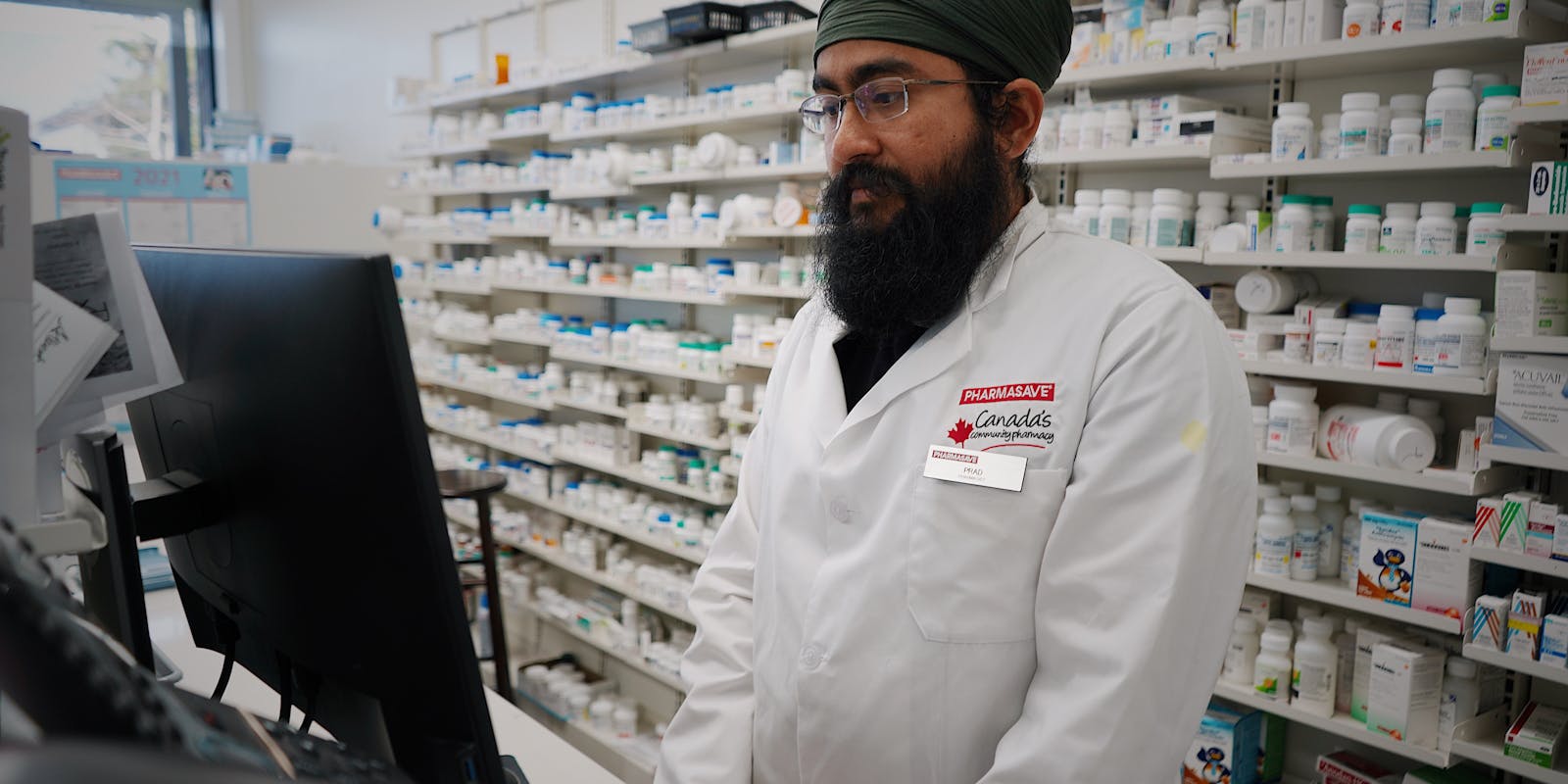
When it comes to your health and well-being, personalized treatment plans can make all the difference. Pharmacist consultations play a crucial role in tailoring treatment plans to suit your specific needs and health goals. These consultations provide you with the opportunity to discuss your concerns, ask questions about your medications, and receive expert advice from a trained healthcare professional.
During a pharmacist consultation, the pharmacist takes the time to review your medical history, current medications, and any existing health conditions. By having a comprehensive understanding of your health profile, the pharmacist can identify potential drug interactions, allergies, or other factors that may impact your treatment. This personalized approach ensures that the treatment plan recommended aligns with your unique health requirements.
Additionally, pharmacist consultations go beyond just dispensing medications. Pharmacists can offer valuable insights on lifestyle modifications, dietary recommendations, and proper medication administration techniques. This holistic approach to healthcare empowers you to take an active role in managing your health and achieving optimal outcomes.
Moreover, pharmacist consultations enhance medication adherence and safety. By receiving clear instructions on how to take your medications and understanding the potential side effects to watch out for, you are better equipped to follow your treatment plan effectively. This proactive engagement with your pharmacist can prevent medication errors, improve treatment outcomes, and minimize risks associated with medication use.
In conclusion, pharmacist consultations play a pivotal role in developing personalized treatment plans that address your unique health needs. By collaborating with a pharmacist, you gain access to expert guidance, individualized recommendations, and ongoing support in managing your health effectively. Harnessing the power of pharmacist consultations can lead to improved health outcomes, increased medication adherence, and a better overall quality of life
During a pharmacist consultation, the pharmacist takes the time to review your medical history, current medications, and any existing health conditions. By having a comprehensive understanding of your health profile, the pharmacist can identify potential drug interactions, allergies, or other factors that may impact your treatment. This personalized approach ensures that the treatment plan recommended aligns with your unique health requirements.
Additionally, pharmacist consultations go beyond just dispensing medications. Pharmacists can offer valuable insights on lifestyle modifications, dietary recommendations, and proper medication administration techniques. This holistic approach to healthcare empowers you to take an active role in managing your health and achieving optimal outcomes.
Moreover, pharmacist consultations enhance medication adherence and safety. By receiving clear instructions on how to take your medications and understanding the potential side effects to watch out for, you are better equipped to follow your treatment plan effectively. This proactive engagement with your pharmacist can prevent medication errors, improve treatment outcomes, and minimize risks associated with medication use.
In conclusion, pharmacist consultations play a pivotal role in developing personalized treatment plans that address your unique health needs. By collaborating with a pharmacist, you gain access to expert guidance, individualized recommendations, and ongoing support in managing your health effectively. Harnessing the power of pharmacist consultations can lead to improved health outcomes, increased medication adherence, and a better overall quality of life
Improving Health Outcomes: The Impact of Pharmacist Consultations
Pharmacist consultations play a crucial role in improving health outcomes across communities, offering a range of benefits that extend far beyond merely dispensing medications. One key impact of pharmacist consultations is the enhancement of medication adherence among patients. Pharmacists can provide valuable insights into medication regimens, ensuring that patients understand how and when to take their prescriptions correctly. This proactive approach not only helps patients avoid potential complications from improper medication use but also increases the effectiveness of treatments, leading to better health outcomes in the long run.
Moreover, pharmacist consultations contribute to optimizing medication therapy by conducting thorough medication reviews. By assessing the patient's complete medication profile, including prescription drugs, over-the-counter medications, and supplements, pharmacists can identify potential drug interactions, duplications, or other medication-related issues. Addressing these concerns through personalized recommendations can prevent adverse drug reactions and improve treatment efficacy, ultimately leading to better health outcomes for patients.
Additionally, pharmacist consultations serve as a valuable resource for promoting preventive care and wellness. Pharmacists can offer guidance on lifestyle modifications, such as diet and exercise, and provide preventive health screenings or immunizations. By empowering patients with the knowledge and tools to prioritize their health and well-being, pharmacists contribute to disease prevention and overall health improvement.
Furthermore, pharmacist consultations are instrumental in fostering patient education and empowerment. Pharmacists can educate patients on their medical conditions, treatment options, and self-care practices, empowering them to take an active role in managing their health. This collaborative approach between pharmacists and patients not only enhances medication adherence but also encourages patients to make informed decisions about their health, leading to improved health outcomes and quality of life.
In conclusion, pharmacist consultations have a profound impact on improving health outcomes by promoting medication adherence, optimizing therapy, supporting preventive care efforts, and empowering patients through education. By harnessing the expertise of pharmacists and embracing their role as integral members of the healthcare team, patients can experience enhanced health outcomes and quality of care
Moreover, pharmacist consultations contribute to optimizing medication therapy by conducting thorough medication reviews. By assessing the patient's complete medication profile, including prescription drugs, over-the-counter medications, and supplements, pharmacists can identify potential drug interactions, duplications, or other medication-related issues. Addressing these concerns through personalized recommendations can prevent adverse drug reactions and improve treatment efficacy, ultimately leading to better health outcomes for patients.
Additionally, pharmacist consultations serve as a valuable resource for promoting preventive care and wellness. Pharmacists can offer guidance on lifestyle modifications, such as diet and exercise, and provide preventive health screenings or immunizations. By empowering patients with the knowledge and tools to prioritize their health and well-being, pharmacists contribute to disease prevention and overall health improvement.
Furthermore, pharmacist consultations are instrumental in fostering patient education and empowerment. Pharmacists can educate patients on their medical conditions, treatment options, and self-care practices, empowering them to take an active role in managing their health. This collaborative approach between pharmacists and patients not only enhances medication adherence but also encourages patients to make informed decisions about their health, leading to improved health outcomes and quality of life.
In conclusion, pharmacist consultations have a profound impact on improving health outcomes by promoting medication adherence, optimizing therapy, supporting preventive care efforts, and empowering patients through education. By harnessing the expertise of pharmacists and embracing their role as integral members of the healthcare team, patients can experience enhanced health outcomes and quality of care
Conclusion
In conclusion, pharmacist consultations offer a wealth of benefits that are instrumental in optimizing healthcare experiences and promoting overall well-being. These consultations extend beyond mere medication dispensing, providing patients with personalized treatment plans, enhanced understanding of medications, and a vital role in improving health outcomes. By engaging in pharmacist consultations, individuals can take proactive steps in managing their health journey and accessing valuable support from these healthcare professionals. Embrace the power of pharmacist consultations to unlock the transformative potential they hold in empowering you to prioritize your health like never before